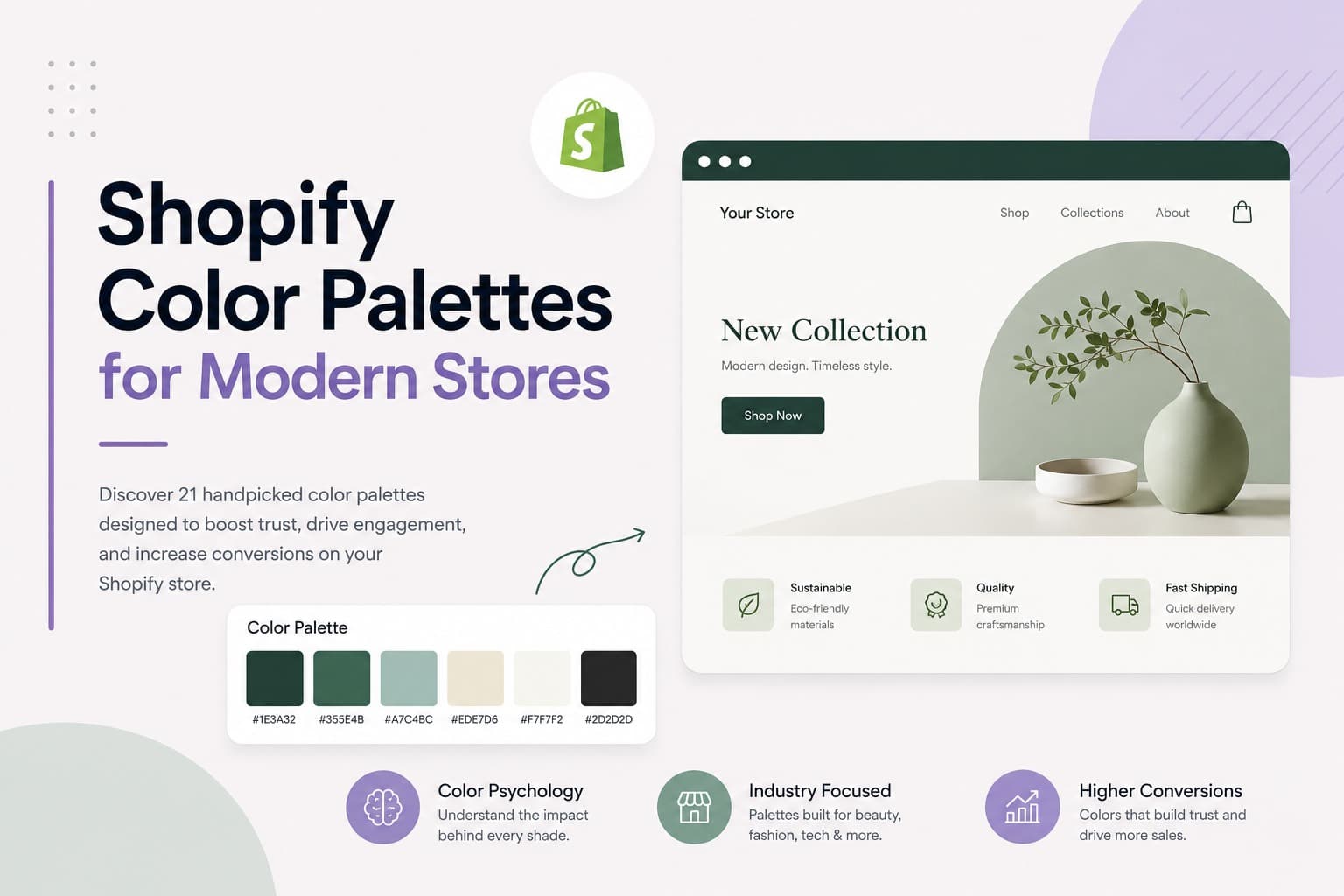
Color is not decoration. It is a decision. Before a visitor reads a single word on your Shopify store, they have already formed an impression — and that impression is built entirely on color. Studies consistently show that up to 90% of snap judgments about products are based on color alone. That means your Shopify color palettes are doing more selling than your copy, your product photos, or your pricing strategy combined.
Yet most store owners treat color as an afterthought, picking shades they personally like rather than colors that convert. This guide changes that. Below, you will find 21 carefully curated color palettes built specifically for Shopify stores, along with the psychology behind each, the industries they serve best, and practical guidance on how to apply them using tools from Coloraccy — a platform built for exactly this kind of decision.
What Are Shopify Color Palettes and Why Do They Matter?
Shopify color palettes are curated combinations of colors applied consistently across a Shopify storefront — including backgrounds, text, buttons, accents, and hover states. A palette typically includes a primary color, one or two secondary colors, a neutral base, and an accent or call-to-action color.
A well-designed color palette does several things simultaneously. It communicates brand personality, guides user attention toward conversion points, signals trust and professionalism, and creates visual harmony that keeps visitors engaged longer. According to research published by the Institute for Color Research, people make a subconscious judgment about a product within 90 seconds — and between 62% and 90% of that judgment is based on color alone.
When you apply this to e-commerce, the implications are significant. A poorly chosen palette can elevate bounce rates, suppress click-through on call-to-action buttons, and undermine customer trust before a single product is viewed. A great palette, on the other hand, creates a frictionless brand experience that moves visitors naturally toward purchase.
The Core Elements of a High-Converting Color Palette
Before diving into the 21 palettes, it helps to understand the structure behind any effective color system for e-commerce.
Primary Color
This is the dominant color of your brand — the one most associated with your identity. It appears in your logo, header, and primary navigation. It sets the emotional tone for everything else.
Secondary Color
Used for supporting elements like subheadings, card borders, and background sections. This color should complement, not compete with, the primary.
Neutral Base
Most of your store's background and body text will live in neutral territory — off-whites, creams, warm grays, or cool charcoals. Neutral bases keep the design clean and readable.
Accent / CTA Color
This is your highest-contrast, highest-energy color. It appears on "Add to Cart" buttons, sale badges, and promotional banners. It should stand out clearly from everything else on the page.
You can explore and build these systems using the color palette tool on Coloraccy, which lets you visualize combinations and generate accessible pairings in seconds.
21 High-Converting Shopify Color Palettes
1. Midnight Luxury
Colors: Deep navy (#0D1B2A), warm gold (#C9A84C), ivory (#F5F0E8), and charcoal (#2E2E2E)
Best for: Jewelry, luxury fashion, premium skincare, high-end furniture
This palette communicates exclusivity and timeless elegance. The deep navy background signals authority, while warm gold accents suggest craftsmanship and value. Pair this with the abstract palette collection on Coloraccy for editorial-style store designs.
2. Fresh Botanicals
Colors: Sage green (#7D9B76), warm cream (#FFF8EE), dusty rose (#D4A5A5), and forest (#3D5A3E)
Best for: Organic beauty, plant-based food, wellness, eco products
Botanical stores thrive on trust signals. Earthy greens and soft blush convey purity and health without screaming "natural" in a cliché way. This palette pairs well with minimalist Shopify themes.
3. Urban Monochrome
Colors: Near-black (#1A1A1A), medium gray (#6B6B6B), light gray (#E8E8E8), and pure white (#FFFFFF)
Best for: Architecture products, men's fashion, tech accessories, streetwear
Monochrome does not mean boring. A precisely calibrated grayscale palette with deliberate texture and spacing creates an atmosphere of urban sophistication. Use the shade and tint generator on Coloraccy to build custom gray ladders that keep your palette from feeling flat.
4. Terracotta Warmth
Colors: Terracotta (#C0704A), sand (#E8D5B7), warm white (#FAF7F2), and burnt umber (#7A4030)
Best for: Home goods, artisan ceramics, Mediterranean food brands, interior decor
Terracotta has surged in popularity over the past three years because it carries warmth, craftsmanship, and a sense of the handmade. It works especially well for stores that want to feel approachable rather than corporate.
5. Electric Youth
Colors: Neon yellow (#F5FF3C), jet black (#111111), white (#FFFFFF), and vivid orange (#FF5C00)
Best for: Streetwear, skate brands, youth fashion, limited-edition drops
High energy and high contrast. This palette is built to stop thumbs mid-scroll. The neon yellow on black creates an unmistakable visual signature that performs well on mobile product pages.
6. Cloud Minimal
Colors: Soft white (#F9F9F7), pale blue (#C8D8E8), muted teal (#5A8A8A), and graphite (#444444)
Best for: SaaS tools sold via Shopify, productivity accessories, tech hardware
Clean, trustworthy, and professional. This palette signals reliability — ideal for stores where the product itself needs to be the visual focus. Use Coloraccy's color picker to match this palette to your brand photography.
7. Parisian Chic
Colors: Blush pink (#F2C4CE), dusty mauve (#9B7B84), charcoal (#333333), and champagne (#F7E7CE)
Best for: Women's fashion, fine lingerie, bridal, perfume
Soft, romantic, and aspirational. The Parisian palette works because it feels like an editorial spread rather than a shopping page. The charcoal grounds the softness and prevents the design from feeling too delicate to trust.
8. Coastal Living
Colors: Ocean blue (#2A6496), sandy beige (#D4B896), seafoam (#A8D5C2), and driftwood (#8B7355)
Best for: Beach lifestyle brands, surf wear, coastal home decor, travel accessories
This palette carries an immediate emotional association with freedom and relaxation. Visitors feel the mood before they process a single product. Explore related combinations in the aesthetic palette section of Coloraccy.
9. Dark Academia
Colors: Deep burgundy (#800020), aged parchment (#F2E8D0), forest green (#2D5016), and antique gold (#B8860B)
Best for: Books, stationery, educational products, vintage or heritage brands
The dark academia aesthetic has built a passionate community across social media. This palette speaks directly to that audience — scholarly, rich, and slightly nostalgic. Pair it with serif typography for maximum effect. Check out the academia palette on Coloraccy for curated combinations in this style.
10. Tropical Bold
Colors: Mango (#FF8C00), tropical green (#00A86B), hot pink (#FF1493), and white (#FFFFFF)
Best for: Swimwear, tropical food and drink brands, resort wear, festival fashion
Bold, unapologetic, and joyful. This is a palette for brands that have a point of view and are not afraid to express it. High contrast between the accent colors ensures that CTAs pop against any background.
11. Clean Clinical
Colors: Bright white (#FFFFFF), soft gray (#F4F4F4), clinical blue (#4A90D9), and dark text (#1C1C1C)
Best for: Medical supplies, dental products, lab equipment, pharmaceutical e-commerce
Trust is the currency of clinical brands. This palette communicates sterility, precision, and professionalism. Use the brand color kit tool on Coloraccy to build a complete brand system around this foundation.
12. Artisan Craft
Colors: Warm ochre (#D4A017), raw linen (#F3E8D0), slate blue (#6B7FA3), and charcoal brown (#4A3728)
Best for: Handmade goods, craft brewing, artisan food, candle makers
This palette feels handmade without looking amateurish. The contrast between warm ochre and cool slate creates visual interest while the natural tones keep the store grounded. Browse the acrylic palette collection on Coloraccy for artistic palette variations in this direction.
13. Midnight Garden
Colors: Deep plum (#4A1A4A), sage (#7D9B76), dusty pink (#C4A0A0), and champagne (#F5E6C8)
Best for: Floral design, botanical products, aromatherapy, natural perfume
A deeply romantic and slightly mysterious palette. The deep plum creates drama while sage and dusty pink soften it into something approachable. This palette photographs well and translates beautifully to product detail pages.
14. Heritage Sport
Colors: Forest green (#1B4332), cream (#FFF8DC), burgundy (#8B1A1A), and tan (#C4A882)
Best for: Outdoor gear, hunting and fishing, heritage sportswear, collegiate brands
Classic, enduring, and masculine without being exclusionary. This palette evokes tradition and durability — two things that outdoor consumers value deeply. It signals a product that will last.
15. Neon Futurism
Colors: Electric violet (#7B00FF), neon cyan (#00FFFF), jet black (#000000), and hot pink (#FF0080)
Best for: Gaming peripherals, tech accessories, e-sports merchandise, digital fashion
Futurism sells to an audience that wants to feel ahead of the curve. This palette is high energy and high contrast, performing exceptionally well on dark-mode Shopify themes.
16. Warm Scandinavian
Colors: Soft white (#F7F4F0), warm wood (#C8A97E), dusty sage (#8FA896), and charcoal (#3A3A3A)
Best for: Minimalist home goods, Scandinavian furniture, wellness tools, hygge products
The Scandinavian palette has become globally influential because it is quietly aspirational. It does not shout — it draws you in. This palette is a consistent performer across European and North American markets.
17. African Vibrancy
Colors: Deep orange (#E05C00), golden yellow (#F5A623), earth red (#8B3A0A), and warm black (#1A1008)
Best for: African fashion, cultural gifts, artisan textiles, world food brands
Rich, warm, and full of energy. This palette celebrates cultural identity while remaining commercially accessible. Visit the African palette collection on Coloraccy for additional inspiration rooted in this visual tradition.
18. Pastel Pop
Colors: Lavender (#E6CCFF), mint (#CCFFE6), peach (#FFD9C0), and soft yellow (#FFF4CC)
Best for: Children's products, stationery, gift shops, kawaii fashion, bath and body
Light, playful, and approachable. Pastel palettes work best when paired with strong, dark typography to maintain readability. They signal friendliness and fun without overwhelming the visitor.
19. Bold Minimal
Colors: True red (#CC0000), pure white (#FFFFFF), and near-black (#111111)
Best for: Fashion-forward brands, sale-driven stores, seasonal promotions, food delivery
Sometimes three colors are all you need. This combination is rooted in decades of high-performing retail design. The red drives urgency, white delivers clarity, and black adds authority. Use the complementary color finder on Coloraccy to explore variations of this high-contrast approach.
20. Jewel Tones
Colors: Emerald (#0E6655), sapphire (#1A4C8B), amethyst (#6A0DAD), and gold (#D4AC0D)
Best for: Luxury accessories, fine jewelry, premium gifting, occasion wear
Jewel tones project richness and depth. Unlike pastels or neutrals, this palette makes a statement — it tells the customer that what they are buying is worth something. Use the random color generator on Coloraccy to discover unexpected jewel tone pairings that stand out from competitors.
21. Desert Sunset
Colors: Dusty mauve (#C4848C), warm sand (#E8C99A), burnt orange (#C0603A), and dusk purple (#6B4E6A)
Best for: Lifestyle brands, yoga and wellness, boho fashion, slow-living products
Desert sunset palettes perform remarkably well with female-skewing audiences in wellness and lifestyle categories. The gradient-like warmth of these tones makes every product feel bathed in golden hour light.
How to Choose the Right Palette for Your Shopify Store
Choosing between 21 options is still a decision. Here is a framework that makes it systematic rather than intuitive.
Step 1: Define Your Brand Personality in Three Adjectives
Write down three adjectives that describe how you want your customers to feel when they land on your store. Words like "trustworthy," "playful," "luxurious," "adventurous," or "minimal" map directly to color psychology.
Step 2: Analyze Your Competitors
Look at the top five stores in your niche. What colors dominate? You want to be recognizable within the category while being distinct enough to stand out. Use Coloraccy's image color extractor to pull exact colors from competitor screenshots and identify gaps.
Step 3: Test Your Palette Across Screen Types
Mobile screens and desktop monitors render colors differently. A deep navy that looks premium on a Mac can look murky on a budget Android phone. Use the color format converter on Coloraccy to translate your palette into HEX, RGB, and HSL values for consistent implementation across your Shopify theme.
Step 4: Validate Accessibility
At least 26% of adults globally have some form of color vision deficiency. Your palette must meet WCAG 2.1 contrast standards — particularly for text over backgrounds and CTA buttons. Many high-converting stores have failed accessibility tests and lost sales as a result.
Step 5: Apply and Preview
Load your palette into your Shopify theme editor using your HEX values, preview across multiple device mockups, and make minor adjustments before launching. Explore the palette showcase on Coloraccy to preview how different palettes look in a live e-commerce context.
Comparison: Safe Palettes vs. Bold Palettes
Feature | Safe Palettes (Neutrals, Minimalism) | Bold Palettes (High Contrast, Vivid Colors) |
Audience appeal | Broad, universal | Niche, targeted |
Brand memorability | Moderate | High |
Conversion focus | Subtle, trust-driven | Urgency and energy-driven |
Risk level | Low | Higher |
Best for | Premium, luxury, wellness | Youth, fashion, entertainment |
Trend longevity | Long-lasting | Trend-dependent |
Mobile performance | Excellent | Good (requires care) |
The right choice depends entirely on your product and your audience. Safe palettes convert steadily over time. Bold palettes can spike conversions during campaigns, but may feel dated faster. Many successful stores use a neutral base with a bold accent — combining the stability of one with the energy of the other.
Color Psychology in E-Commerce: What the Research Says
Color psychology is not just a marketing buzzword. It is a documented field with measurable commercial impact. Here is how specific colors perform in e-commerce contexts.
Blue builds trust and is the most universally liked color across cultures. It dominates banking, tech, and healthcare e-commerce.
Red creates urgency and appetite. It is the most common choice for sale banners and CTA buttons in high-volume retail.
Green signals health, growth, and permission — which is why it is the most effective color for "Add to Cart" and "Proceed" buttons.
Black communicates luxury and authority. It is the preferred primary color for fashion-forward and premium lifestyle brands.
Yellow and orange convey energy and friendliness. They draw attention faster than almost any other hue but can feel cheap if overused.
Purple sits at the intersection of luxury and creativity. It is underused in e-commerce, which means it has strong differentiation potential for the right brand.
For deeper exploration of these dynamics, the full color palette library on Coloraccy offers palettes organized by mood, industry, and seasonal relevance.
Applying Your Palette: Shopify-Specific Implementation Tips
Knowing your palette is step one. Applying it correctly to Shopify requires a few specific decisions.
Background colors: Use your neutral base as the page background. Reserve your primary color for the header and footer sections.
Typography contrast: Ensure your body text color maintains a contrast ratio of at least 4.5:1 against the background. Dark charcoals on off-white backgrounds consistently outperform pure black on pure white.
Button hierarchy: Your CTA button should use your accent color exclusively. Do not use that accent anywhere else on the page — its singularity is what makes it pop.
Image overlays: When placing text over hero images, use a semi-transparent overlay in your primary or neutral color rather than a solid block. This preserves the visual richness of your photography while ensuring legibility.
Hover states: Design hover states for buttons and product cards using a shade or tint of your accent color. The shade and tint generator on Coloraccy makes this effortless — input your base color and get a full range of usable variations instantly.
Product page backgrounds: Many stores default to pure white product page backgrounds. Consider a very soft off-white or cream (#FAF9F7 or similar) — it reduces eye strain and makes products appear warmer and more approachable.
Common Color Palette Mistakes That Hurt Shopify Conversions
Even experienced store owners make these errors. Recognizing them early saves both time and revenue.
Using too many colors. More than four or five colors in a single palette creates visual noise and undermines brand coherence. Restraint is a design principle, not a limitation.
Choosing colors based on personal preference. Your customer's emotional response matters far more than yours. A palette you love but your audience finds cold or unapproachable will consistently underperform.
Ignoring the mobile experience. Colors that look balanced on a 27-inch monitor may look washed out or overwhelming on a phone screen. Always preview on actual mobile devices before launching.
Neglecting dark mode compatibility. A growing percentage of users browse in dark mode. Palettes built entirely around white backgrounds can create a jarring experience. Consider how your palette adapts when inverted.
Misusing high-contrast accents. If every element is trying to draw attention, nothing stands out. Reserve your boldest color for the most important conversion action on the page — typically the "Add to Cart" button.
Failing to build a complete brand color system. A great palette for your website falls apart when your social media, email newsletters, and packaging use completely different colors. Use the brand color kit on Coloraccy to build a unified system across all your brand touchpoints.
Entity Expansion: Related Topics Every Shopify Store Owner Should Know
Color palettes do not exist in isolation. They are one component of a broader visual identity system. Understanding the connected concepts helps you make better decisions.
Typography pairing: Your typefaces should harmonize with your palette. Serif fonts feel more traditional and pair well with heritage and luxury palettes. Sans-serif feels modern and pairs better with minimal and tech palettes.
Whitespace strategy: The amount of space in your design directly affects how your colors are perceived. Generous whitespace makes colors feel intentional and premium. Crowded layouts make even beautiful colors feel chaotic.
Seasonal color updates: Many successful Shopify stores rotate accent colors seasonally while keeping their core palette stable. This gives the store freshness without abandoning brand recognition. The color palette collections on Coloraccy are organized to support exactly this kind of seasonal rotation.
Photography consistency: Your product photography should be lit and edited to complement your palette. A warm-toned palette undermined by cold-blue product photos creates a jarring disconnect. Use your primary and neutral colors as a guide when editing product images.
Icon and illustration style: Any custom icons or illustrations in your store should draw from your secondary color and neutral range. This keeps decorative elements from competing with your primary CTA colors.
Why Coloraccy Is the Right Tool for Building Your Shopify Palette
Coloraccy is a purpose-built color intelligence platform that removes guesswork from the palette-building process. Whether you are launching a new store or refreshing an existing brand, the platform provides every tool you need in one place.
The color palette explorer gives you access to thousands of curated palettes organized by mood, industry, and style. The palette showcase lets you preview palettes in a real storefront context before committing. And the full suite of swatches tools — from the color picker to the complementary color finder — ensures that every color decision is informed, intentional, and commercially sound.
For store owners who want to go deeper into specific aesthetics, Coloraccy's named palette collections — including abstract, academic, African, acrylic, and aesthetic — provide rich starting points that go far beyond what a generic palette generator can offer.
Conclusion
Color is one of the most powerful and most underutilized tools in Shopify store design. The right palette builds trust in seconds, guides customers toward purchase, and creates a brand identity that persists across every touchpoint — from your storefront to your packaging to your social channels.
The 21 palettes in this guide cover the full spectrum of modern e-commerce — from minimalist Scandinavian neutrals to bold neon futurism — and each is grounded in color psychology, conversion principles, and real-world commercial application. Whether you are building a luxury brand or a high-energy streetwear label, the right palette exists, and it is waiting to be applied.
Coloraccy makes the entire process faster, smarter, and more reliable. Visit coloraccy.com to explore the full palette library, use the professional-grade color tools, and build a visual brand system that converts. Your store's color decisions start today — and they start at Coloraccy.